
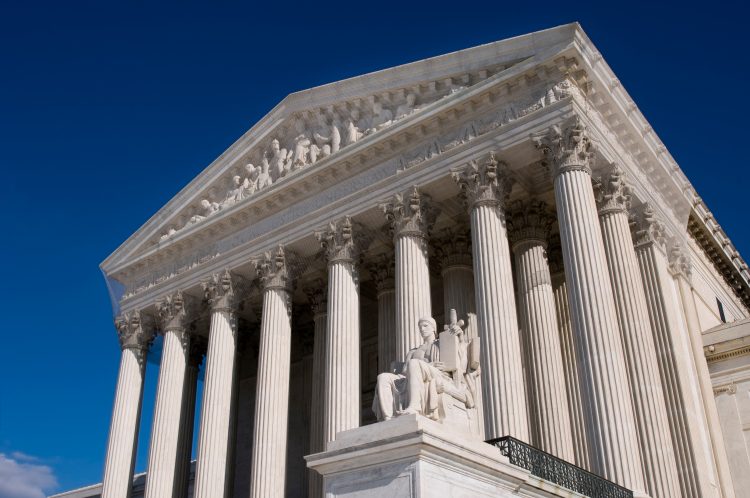
On October 19, 2026, the U.S. Supreme Court declined to review the decision upholding President Trump’s removal of National Labor Relations Board (NLRB) member Gwynne Wilcox. The Court issued no opinion on the merits. Its action leaves standing the D.C. Circuit’s ruling that the statutory restrictions on the President’s authority to remove NLRB members are unconstitutional.
Background
President Trump removed Wilcox, a former President Biden appointee, on January 27, 2025. The National Labor Relations Act provides for staggered five-year terms and expressly limits removal to neglect of duty or malfeasance in office, following notice and a hearing. Wilcox challenged her dismissal under those protections. The D.C. Circuit held that the restrictions unconstitutionally limited the President’s authority over an agency exercising substantial executive power.
The outcome follows the Supreme Court’s June 29 ruling in Trump v. Slaughter, which upheld President Trump’s removal of Federal Trade Commission (FTC) commissioner Rebecca Slaughter. In that case, the Court overruled Humphrey’s Executor, the 1935 decision that had supported removal protections for certain independent agency officials. That decision eliminated the principal Supreme Court precedent supporting the protections on which Wilcox relied.
What This Means for Employers
For employers, these decisions increase the prospect of faster changes in federal labor policy when administrations change. Presidents can remove Board members before their terms expire and nominate replacements, whose ordinary appointments remain subject to Senate confirmation. This removal authority will also extend to future administrations, potentially accelerating shifts in federal labor policy over time. Businesses should account for that possibility when making decisions intended to last beyond the current administration.
The Board already has a Republican majority and a quorum. The denial of review does not itself change the standards governing employee handbooks, severance agreements, union organizing or collective bargaining. Before revising policies or practices in these areas, employers should confirm whether the applicable Board or court decisions support the proposed change. The General Counsel’s enforcement priorities and anticipated future Board decisions can inform that assessment, but neither necessarily reflects a change in governing law.
Businesses without unions should pay attention as well. The Act protects covered employees who act together concerning wages, schedules and other working conditions, and prohibits retaliation for protected activity. Those protections remain in place, and the agency continues investigating charges and processing election petitions. Managers should understand those obligations before responding to group complaints or taking disciplinary action involving protected conduct.
Employers with pending NLRB matters should consider how changes in Board composition and legal precedent may affect their litigation or settlement strategies. That judgment should account for the governing court decisions and the record in the particular case. In matters involving discipline or termination, the employer still needs to explain its decision and support that explanation with consistent treatment and documentation. A company should be prepared to defend its actions even if the Board’s membership changes while the case is pending.
Contact
For guidance on how these developments may affect your workplace policies, labor relations strategy, or pending NLRB matters, contact KJK Labor & Employment attorneys Dave Campbell (JDC@kjk.com) or Kyle Podolak (KJP@kjk.com).